







Search Results for: Local Heirloom Varieties
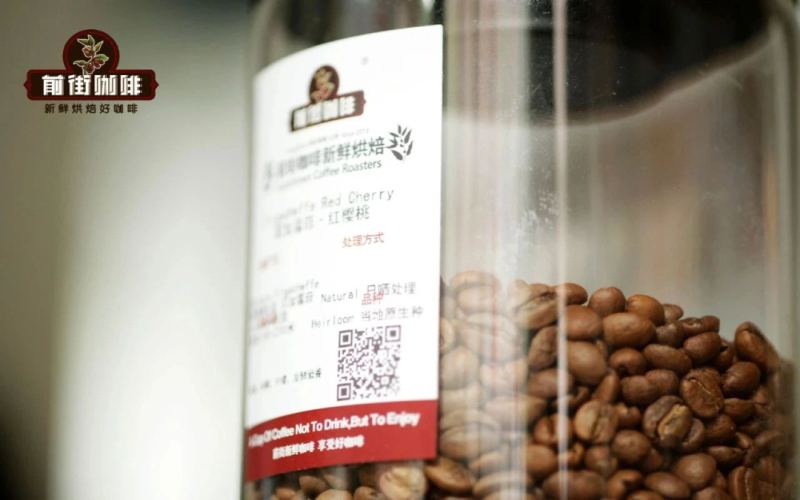
Heirloom and Landrace on Ethiopian Coffee Labels: How Exactly Do We Distinguish Native Varieties from Landraces?
Friends who frequently buy Ethiopian coffee beans are certainly familiar with the variety label "Heirloom," usually translated into Chinese as "native species" or "heirloom." But in the past two or three years, another term has quietly appeared on the packaging of some Ethiopian beans—"Landrace." What exactly is the relationship between it and Heirloom? Are they different names for the same thing, or two completely different concepts? In this article, Front Street will take a careful look at the origins and evolution of Landrace local varieties, starting from Ethiopia's garden planting system, sorting out the mixed-harvest nature of Heirloom, then moving on to JARC's work in identifying local varieties, and why more and more international green bean merchants have begun to purchase these varieties with distinctive regional characteristics separately. At the end, we also include information on the Kaffa Forest lot currently sold by Front Street for everyone's reference and comparison. [more…]
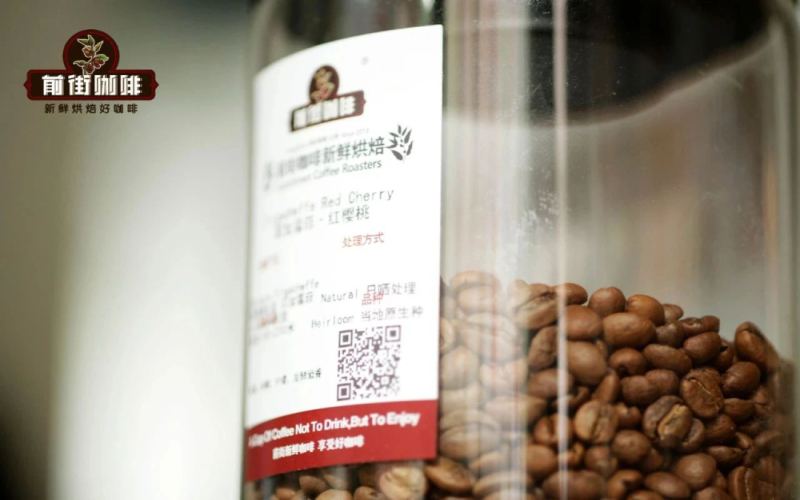
Landrace and Heirloom in Ethiopian Coffee Beans: What Exactly Is the Difference Between Native Species and Local Varieties?
When purchasing Ethiopian coffee, the terms "native species" or "heirloom" commonly seen on packaging are already familiar to many, but in the past two to three years, a new term, "landrace," has also begun to appear frequently. What exactly is the difference and connection between the two? This article, from the perspective of Front Street, sorts out the essence of heirloom mixed harvesting, the logic behind the formation of landrace local varieties, and, using the specific case of Front Street Kafa Forest coffee beans, explains the regional story behind variety labeling. At the same time, it will also clarify a common misconception: Kafa Forest and Panama Geisha are completely different things; the former emphasizes the terroir of the origin, rather than a specific variety. [more…]

An Analysis of Ethiopian Heirloom and Landrace Coffee Varieties: Native Species Characteristics and the Evolution of Their Naming
When you look at the origin information on a bag of Ethiopian coffee beans, the variety field often says "Heirloom." What exactly does this mean? It is actually a collective term for Ethiopia's local heritage varieties, and it is estimated that there are tens of thousands of native coffees in the region that have not yet been formally identified. This article will systematically sort out the differences between Heirloom and Landrace, from the meaning of the terms, classification, and flavor expression to naming trends, and also introduce the meaning of the numbering of JARC-bred varieties. The article also combines several beans from Front Street Coffee to explain the reasons why Ethiopian beans vary in size and why their flavors change from year to year, helping you gain a more comprehensive understanding of the variety diversity of this birthplace of coffee. [more…]
What exactly is Ethiopian heirloom native coffee bean? A full analysis of variety naming and flavor origins
Ethiopia is celebrated as the birthplace of Arabica coffee, and its local coffee varieties are as numerous as the stars. However, due to limitations imposed by history, research conditions, and naming systems, the vast majority of these varieties still cannot be individually identified and named. As a result, a broad and romantic term—heirloom—has become synonymous with these native coffee varieties. Heirloom is not a specific variety, but rather a collective term for the large number of coffees in Ethiopia that have not been clearly classified. This article will guide you through the meaning of heirloom, why it is named this way, how local coffees are named, and the brewing and flavor performance of the Yirgacheffe natural red cherry as an example. [more…]
Yirgacheffe Coffee Beans G1 vs G2 Grades Explained: From Heirloom Varieties to Grading Standards
Yirgacheffe coffee beans often bear labels like G1 and G2—what exactly do these grades mean? From the perspective of Front Street Coffee, this article first introduces the origins of Ethiopia's "heirloom varieties"—the country is home to tens of thousands of incompletely identified heirloom varieties—then explains Yirgacheffe's grading system in detail: grades are determined by defect rates, with washed and natural processing each corresponding to different grade ranges, and explains how ECX and SCAA cupping further subdivide G1 through G3 into Q1, Q2 specialty and commercial grades. The article also outlines the altitude, cooperatives, and micro-region characteristics of the Yirgacheffe producing area, and includes product information for Front Street's Natural Red Cherry, Washed Gudingding, and Washed Everyday Beans, helping readers gain a comprehensive understanding of Yirgacheffe's grading system and flavor diversity. [more…]
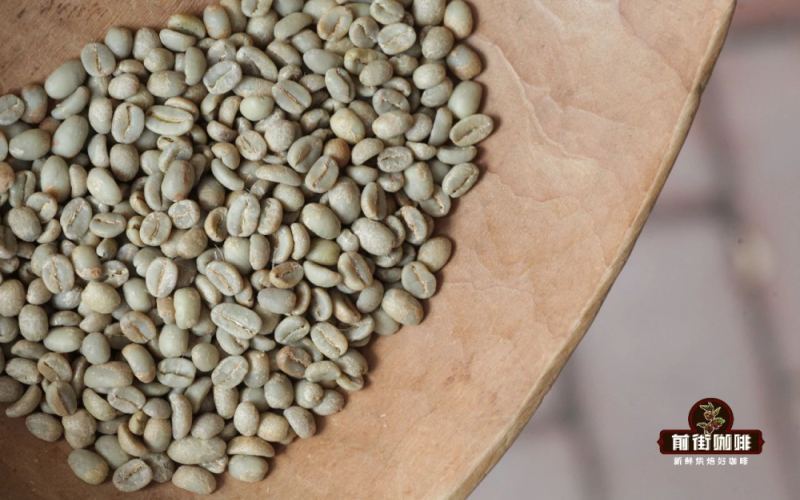
Ethiopian Heirloom Coffee Beans Explained: Differences from Landrace Varieties and Grading Standards
Ethiopia, as the birthplace of coffee, boasts an astonishing variety of cultivars, with nearly 2,000 varieties recorded to date, of which 1,927 are native varieties. Ethiopian coffee beans commonly found on the market are mostly labeled as Heirloom native varieties, but in recent years Landrace local varieties and numbered varieties have gradually gained popularity. In this article, Front Street Coffee will systematically sort out the definition, classification, and identification challenges of Heirloom native varieties, analyze the origins of Landrace and numbered varieties, and introduce in detail Ethiopia's coffee bean grading standards. Finally, it recommends a number of Front Street selected Ethiopian native varieties, covering well-known products such as Gedeb, Red Cherry, Woka, Aricha, and Huakui 5.0, with roasting and brewing data shared as well. [more…]
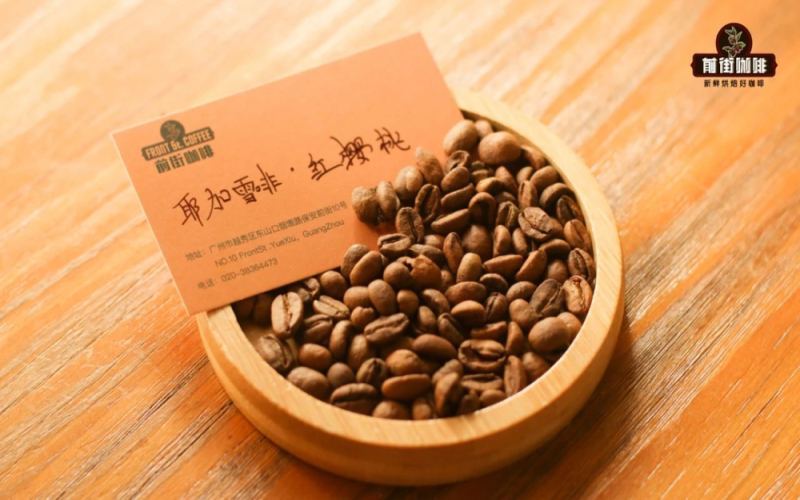
Ethiopian Coffee Bean Label Guide: Differences Between Heirloom, Landrace, and Regional Varieties, and G1 Bean Recommendations
When selecting Ethiopian coffee, the variety labels on the packaging often leave people confused: Heirloom is translated as "native species" or "heirloom," and in recent years the term Landrace (local variety) has also appeared. What exactly do these names refer to? What is the relationship between them? This article will start from the garden farming model of Ethiopian coffee, clarify the concept of Heirloom as a mixed lot, explain how Landrace is selected, identified, and harvested separately from the field, and also recommend Front Street Coffee's Kaffa Forest G1 washed beans, as well as its difference from Panama Geisha. [more…]
Ethiopian Coffee Variety Analysis: Characteristic Differences Between the Native Heirloom Variety and the Numerically Bred Varieties 74158, 74112, and 74110
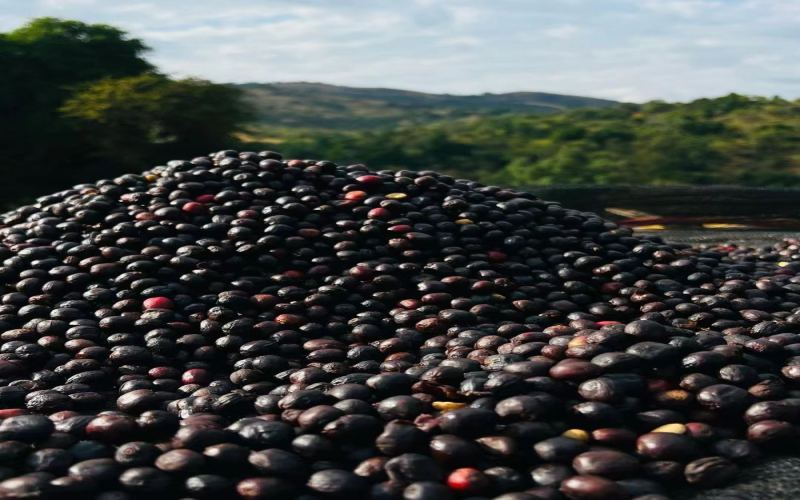
Ethiopia, as coffee's genetic treasure trove, has a variety system far more complex than one might imagine. The Heirloom native variety label commonly seen on the market is actually a collective term for mixed-harvest varieties, not a single specific variety. The numeric codes such as 74110, 74112, and 74158 that have frequently appeared in recent years originate from JARC's disease-resistant breeding program in the 1970s. This article will systematically sort out the classification of Ethiopian coffee cultivation models, the essential meaning of Heirloom, the origin of the 74-series numeric varieties, and the identification and naming of Landrace local varieties, helping coffee enthusiasts understand the variety information on Ethiopian coffee bags. [more…]
Decoding Yirgacheffe G1 and G2 Coffee Beans: Local Heirloom Grading, Washed and Natural Processing, and Flavor Differences
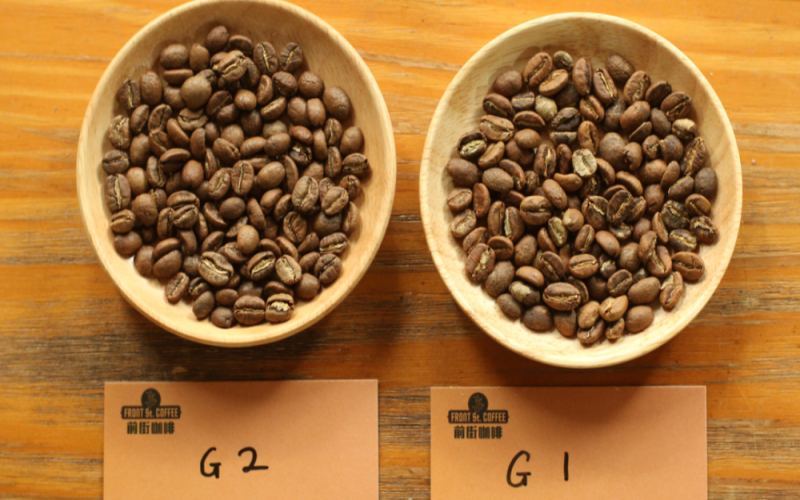
Ethiopian Yirgacheffe is a dazzling star in specialty coffee, but do you understand the logic behind its G1 and G2 grading? From the perspective of Front Street Coffee, this article takes you deep into Yirgacheffe's variety system and grading standards, and compares how the washed and natural processing methods shape two completely different flavor profiles. Whether you are a coffee enthusiast just starting out or a seasoned taster looking to refine your skills, you will find practical reference information here. [more…]
A Complete Analysis of Ethiopian Coffee Varieties: From the Native Heirloom to the Origins of the 74/75 Numerical Lines
As the birthplace of coffee, Ethiopia has a variety system far more complex than we might imagine. What exactly does the commonly seen Heirloom native variety mean on the market? What do the numerical codes such as 74110 and 74158 that have frequently appeared on packaging in recent years represent? This article will sort out the three cultivation models of Ethiopian coffee, trace the historical context of the JARC disease-resistant breeding program in the 1970s, explain the naming logic of the 74/75 series lines, and introduce the progress in identifying and naming Landrace local varieties. At the same time, by combining specific products such as Front Street Coffee's Kafa Forest washed lot and Sidamo Santaverney 74158, it will help readers build a complete understanding of Ethiopia's variety system. [more…]

A Detailed Guide to Ethiopian Coffee Varieties: What Exactly Does Heirloom Native Species Mean?
When buying Ethiopian single-origin coffee, the "Heirloom" commonly seen on packaging often leaves people puzzled. It is not a specific variety, but a collective term for the vast number of native Arabica varieties in the region. As the birthplace of coffee, Ethiopia has thousands of natural variants, and many producing areas even grow dozens of varieties mixed together, making it impossible to classify them one by one. This article will take you through Front Street's perspective to understand the true meaning of Heirloom, its relationship with flavor, and the stories of specific varieties such as JARC numbered varieties, Geisha 1931, Gori Geisha, and Wush Wush. [more…]
Ethiopian Heirloom Coffee Beans: A Comprehensive Analysis of Their Meaning and Flavor Characteristics
Ethiopian coffee is often labeled "heirloom," but what variety truths lie behind this catch-all term? Why are the locally floral coffee beans always vaguely categorized? This article delves into the meaning of heirloom, sorts out its definition evolution and application background in the coffee world, and explores the impact of opaque variety information on producers, roasters, and consumers. Meanwhile, Front Street Coffee, as a specialty coffee research hub, is always dedicated to sharing professional knowledge and regularly launches promotional events, taking you to explore the variety mysteries and flavor charm of Ethiopian coffee. [more…]
Why Are Ethiopian Coffees Often Labeled Heirloom? From the Meaning of Heirloom to the Flavors of Huakui and Yirgacheffe, Explained in One Go
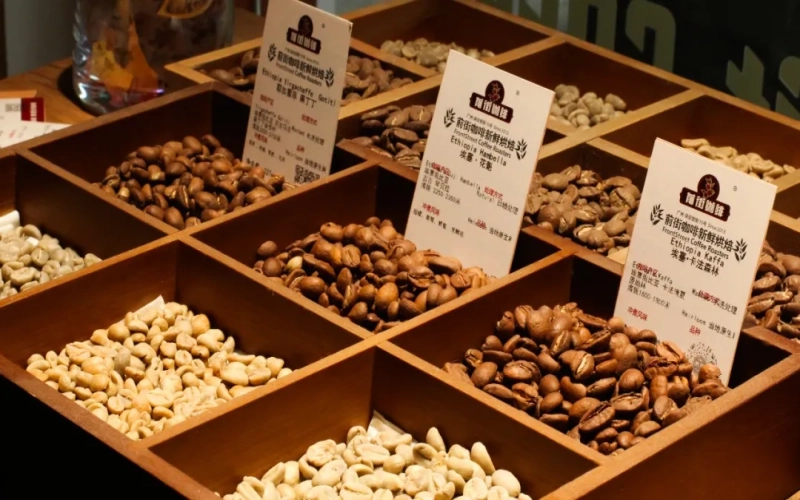
When selecting Ethiopian coffee beans, many people notice that the variety column almost always says "Heirloom/native species," and Front Street and other vendors are no exception. Why doesn't Ethiopian coffee label specific varieties like other producing countries? Is Heirloom actually Arabica? What does it have to do with the flavors of Huakui and Yirgacheffe? From the perspective of Front Street, this article first explains the definition and origin of Heirloom, then explains the practical reasons why it is difficult to subdivide varieties in Ethiopia, including the vast coffee gene pool, the model of wild harvesting and smallholder farming, and the convention of mixed purchasing at processing plants. Finally, it will also mention that Ethiopia does not only have Heirloom, and uses Huakui and Gudingding from the Front Street bean list as examples to let you experience the classic flavors of Guji and Yirgacheffe. [more…]
Ethiopian Heirloom Coffee Flavor Analysis and Guide to Major Producing Regions
Ethiopia, as the birthplace of coffee, is home to numerous renowned regions and a vast genetic library of varieties. From the perspective of Front Street Coffee, this article systematically traces the origins of the heirloom variety concept, analyzes the flavor characteristics of representative regions such as Yirgacheffe, Sidamo, and Limu, and compares the impact of washed and natural processing methods on coffee flavor. It also introduces the regional background of well-known beans such as Huakui, helping coffee enthusiasts understand how to choose an Ethiopian coffee that suits their personal preferences. [more…]

A Comprehensive Comparison of Arabica and Robusta Coffee Beans: Variety Characteristics, Flavor Differences, and Representative Producing Regions
What exactly are the essential differences between the two main varieties of coffee beans—Arabica and Robusta? Why is the former more highly regarded in the specialty coffee world? From the perspective of Front Street, this article systematically sorts out the differences between the two in caffeine content, appearance characteristics, flavor performance, growing conditions, and cost, and provides an in-depth introduction to representative Arabica varieties such as Typica, Geisha, and Ethiopian heirloom varieties, helping you fully understand the variety and terroir logic behind coffee flavor. [more…]
Ethiopian Yirgacheffe: A Comprehensive Analysis of Its Regional Origins, Flavor Grades, and Heirloom Varieties
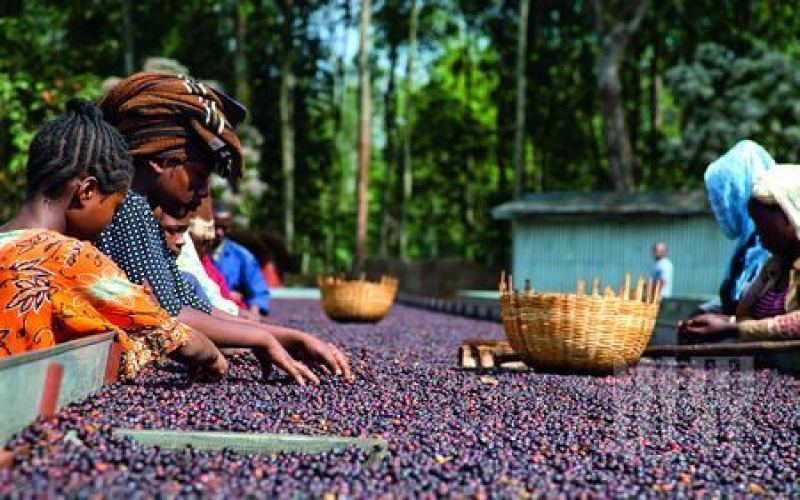
Yirgacheffe is one of the most recognizable coffee regions in Ethiopia. Thanks to its unique terroir and meticulous washed processing, it presents a classic flavor profile interwoven with citrus, jasmine, and berries. Starting from Ethiopia's coffee cultivation system, this article traces how Yirgacheffe moved from being a sub-region of Sidamo to gaining independent trademark protection, explains the practical differences between the G1 and G2 grading systems, analyzes the variety logic behind Heirloom native species, and fully presents the brewing parameters and flavor performance of washed Yirgacheffe, giving you a comprehensive understanding of this benchmark work of African coffee. [more…]
What coffee variety does Yirgacheffe belong to? A comprehensive analysis of the flavor and taste characteristics of washed Yirgacheffe Americano
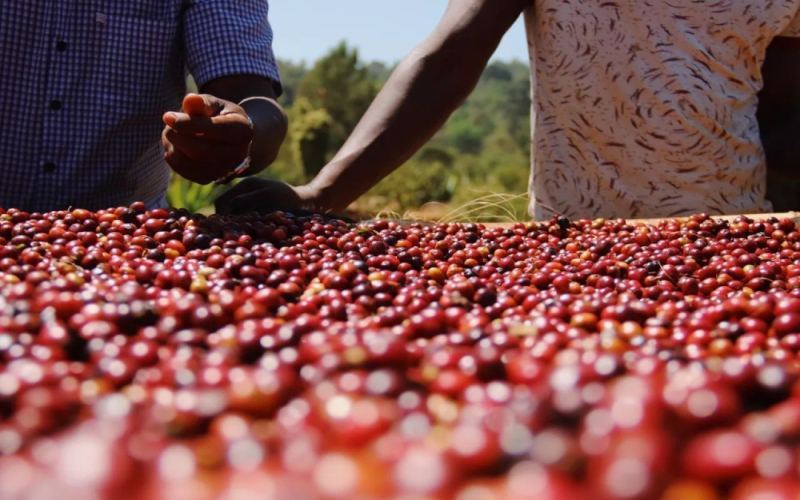
Yirgacheffe is one of Ethiopia's most iconic coffee regions, and its varieties belong to the locally grouped Heirloom landraces. This article will systematically introduce the flavor sources of Yirgacheffe coffee from the perspectives of varietal characteristics, washed processing methods, and the region's history, with a focus on sharing the cup profile of Front Street Coffee's washed Yirgacheffe, background information on the Gedeb cooperative, and complete brewing recommendations for pour-over Americano coffee, helping coffee enthusiasts gain a comprehensive understanding of this classic "gateway bean." [more…]
Exploring Ethiopian Heirloom Varieties: The Flavor Code and Red Soil Legend of the Yirgacheffe Konga Cooperative
Yirgacheffe is the shining pearl of Ethiopian coffee, and the Konga Cooperative is a brilliant point of light upon this pearl. As one of the 26 cooperatives under the YCFCU alliance, Konga sits on high-altitude red soil at 1800-2000 meters, nurturing coffee that combines the charm of Typica and native heirloom varieties. This article will delve into Konga's growing terroir, the secrets of its red soil, and its sun-drying process, analyzing its unique flavors—smooth and clean, elegant with floral and fruity notes, silky like red wine, and with a chocolate finish—and introduce you to the mysterious Ethiopian heirloom varieties. At the end, there is a sincere分享 from Front Street Coffee that coffee lovers should not miss. [more…]
A Complete Guide to Arabica Coffee Varieties: From Typica to Landrace—Specialty Flavors and Recommendations
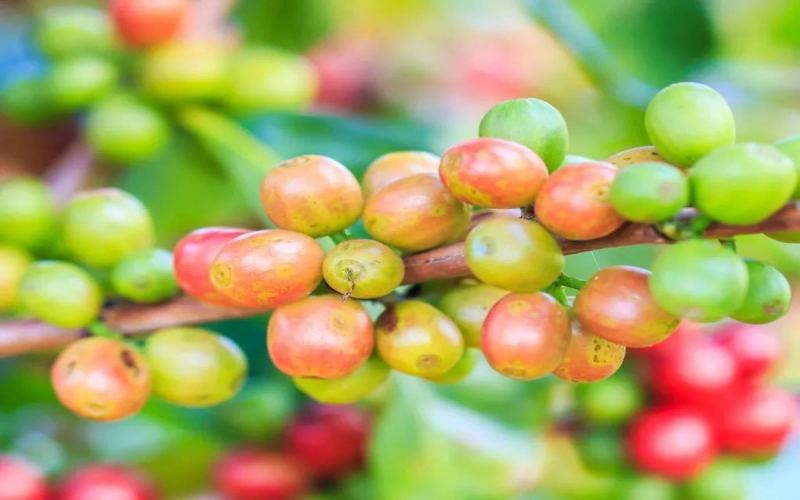
Arabica and Robusta are the two most common coffee varieties on the market, with the former becoming the mainstream of specialty coffee thanks to its delicate flavors and rich aromas. This article begins with the differences between the two, then systematically sorts out the main members of the Arabica family—Typica, Geisha, Bourbon, Caturra, and Ethiopian heirloom varieties—analyzing each one's origin, characteristics, and flavor profile. At the same time, drawing on recommended products from Front Street Coffee, it helps coffee lovers understand how variety and terroir together shape the final taste of a cup of coffee. [more…]
A Complete Guide to Ethiopian Coffee Heirloom Varieties: From Variety Characteristics to the Red Cherry Project and Grading System
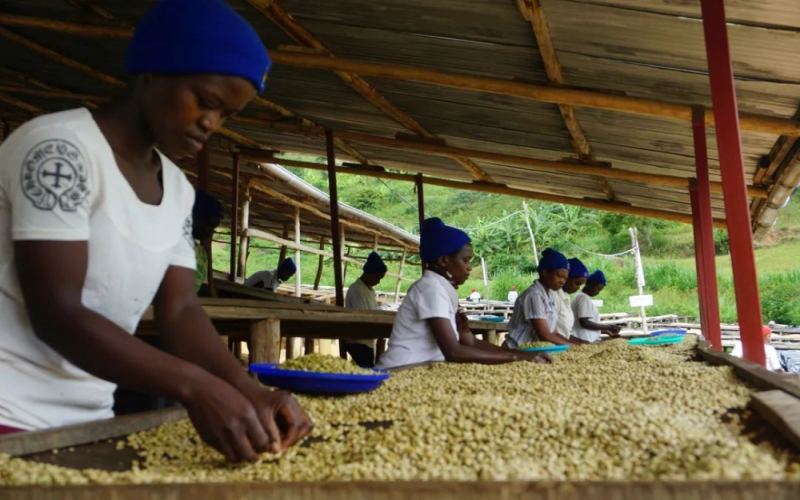
Ethiopia is a genetic treasure trove of coffee, with a vast array of native varieties and unique flavors. From Yirgacheffe to Sidamo, from washed to natural, every bean is full of surprises. This article takes you deep into Ethiopia's coffee variety classifications, flavor characteristics, processing method differences, the Red Cherry Project, and its unique grading system, and shares Front Street Coffee's cupping and brewing experience to help you gain a comprehensive understanding of this major African coffee country. [more…]